Waiting Experience Research at Xfinity Center
This project was developed in collaboration with Live Nation, focusing on the Xfinity Center as a case study. The goal was to enhance the audience experience by improving waiting moments at concert venues through user research and design interventions.
Timeline
Sep-Dec, 2023
Category
UX Research
UX Design
Role
UX Researcher
Team
Zheng Cao
Yuti Vora
Saumya Pasi
Yu-Tsen Liu
Overview
Waiting is something we all experience every day, such as standing in line, waiting for food, or anticipating what comes next. While often overlooked, these in-between moments hold untapped potential for design.
In this project with Live Nation, we zoomed in on the waiting experience at concert venues. Because attending a concert is about creating memorable moments, we asked: how might we extend that excitement beyond the performance itself? By designing small “sparks” of engagement during waiting periods, we aimed to transform passive time into an active, memorable part of the concert journey.
Objective
About Xfinity Center
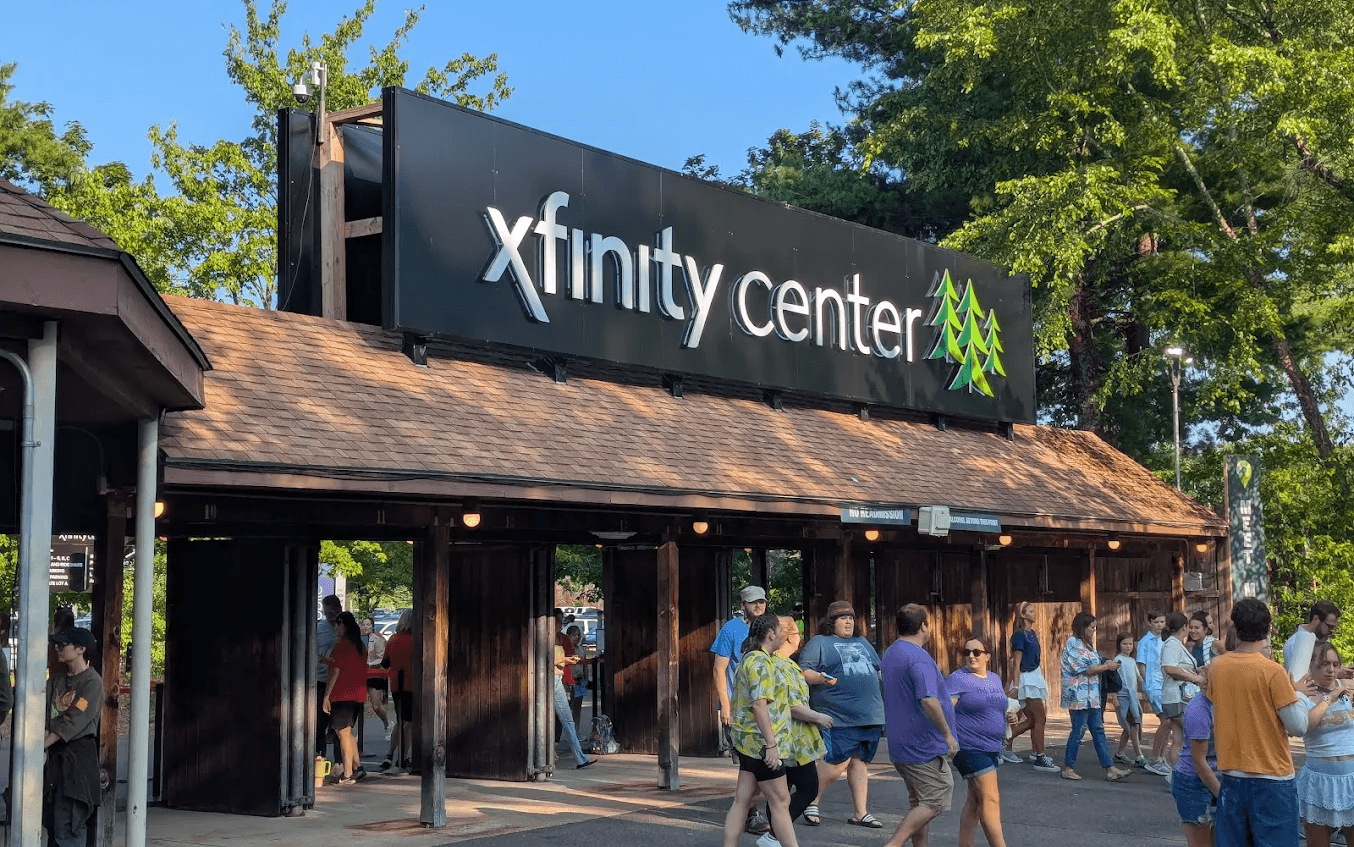
The Xfinity Center is an outdoor amphitheater located in Mansfield, Massachusetts, with a total capacity of 19,900. The venue includes 7,000 reserved seats, 7,000 lawn seats, and 5,900 general admission seats.
Design Focus: The Waiting Experience
This project focuses on reimagining the waiting experience as a seamless and engaging prelude to the concert. Rather than treating waiting as a passive or frustrating moment, we aim to transform it into an integral part of the overall event journey.
By addressing the negative effects of prolonged wait times, we aim to improve audience satisfaction and enhance the overall perception of live events. We also explored how to create smoother transitions during early arrival stages, particularly by improving connectivity, navigation, and engagement before the performance begins.
Research Plan
Research Goals
Psychological Experience:
Understand the emotional responses and psychological states audiences experience during waiting.Expectations & Anticipation:
Examine how anticipation and expectations shape users’ emotions before the concert begins.Interaction with the Environment:
Analyze how concertgoers engage with their surroundings, including physical space, people, and available stimuli.Opportunities for Improvement:
Identify opportunities to transform waiting into a more enjoyable and memorable experience.
Methods
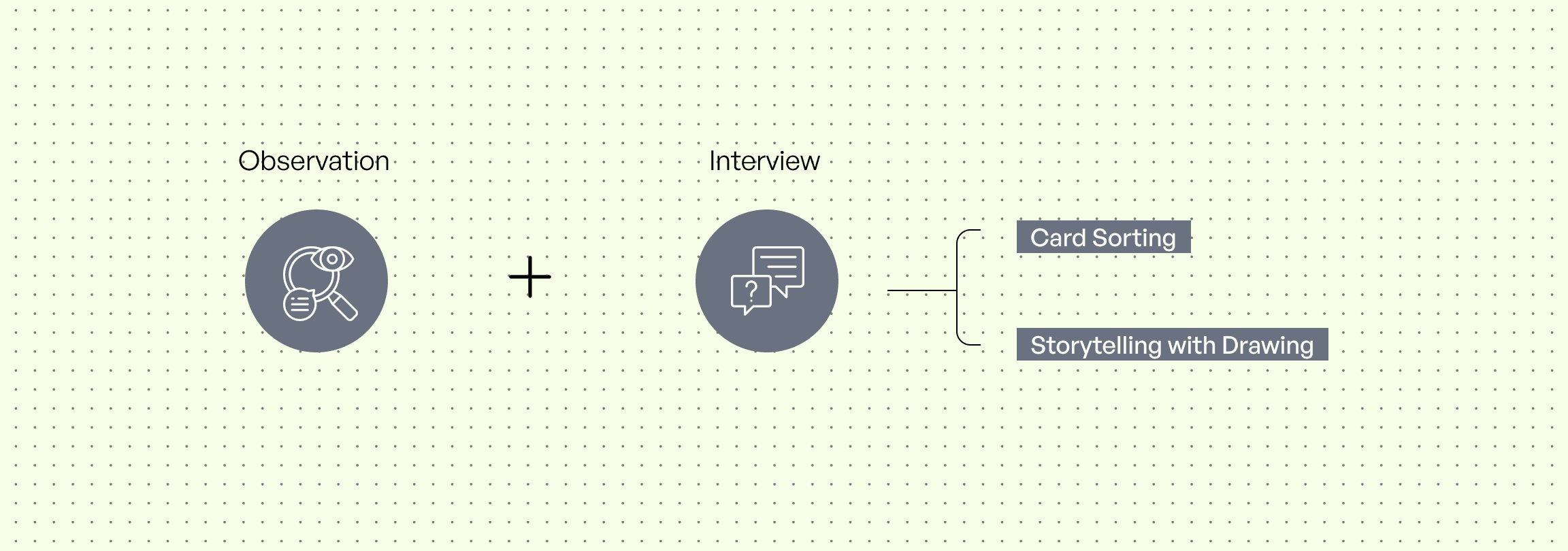
To gain a comprehensive understanding of concertgoers’ behaviors and emotional responses during the waiting period, we employed two primary research methods: observation and semi-structured interviews.
Observation
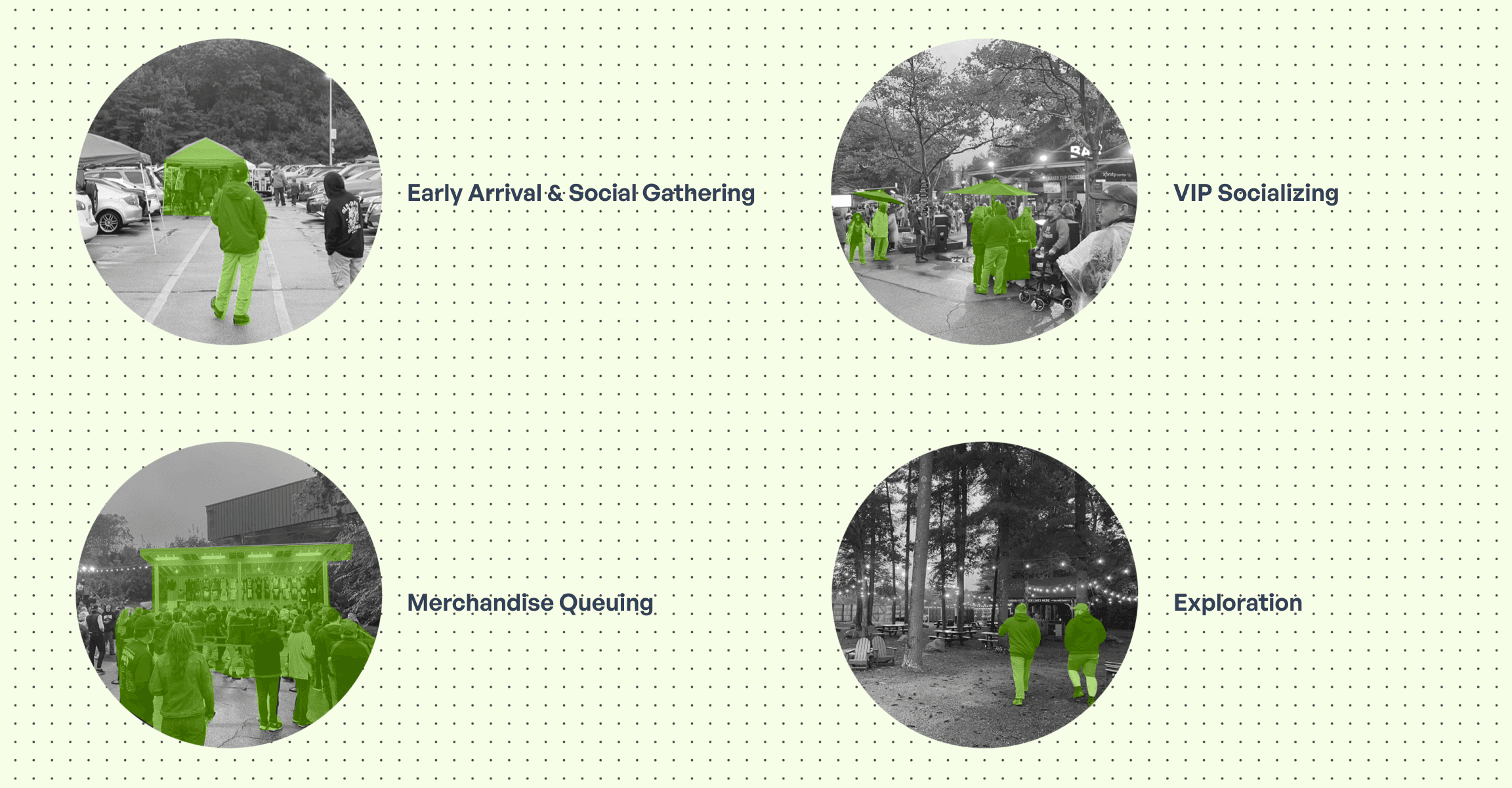
Field observations were conducted during a Papa Roach concert at the Xfinity Center under cold, rainy conditions. Despite the weather, attendees arrived early and engaged in a variety of behaviors before the concert began.
Key Behaviors Observed
Early Arrival & Social Gathering
Some attendees arrived well in advance, gathering in parking areas to socialize, with small informal gatherings and tailgate-like activities.VIP Socializing
In VIP areas, attendees engaged in pre-event social interactions, using the space to warm up and build anticipation.Merchandise Queuing
Long lines formed at merchandise stands, where waiting became a shared, social activity.Exploration & Wandering
Due to the large scale of the venue, some attendees casually wandered around the space, treating it almost like a park environment.
These observations reveal that waiting is not a singular, passive experience, but a collection of diverse behaviors shaped by environment, social context, and personal intent.
Interview
In addition to field observation, we conducted interviews to gain deeper insights into concertgoers’ experiences and expectations. The interviews were divided into two parts:
Audience Interviews
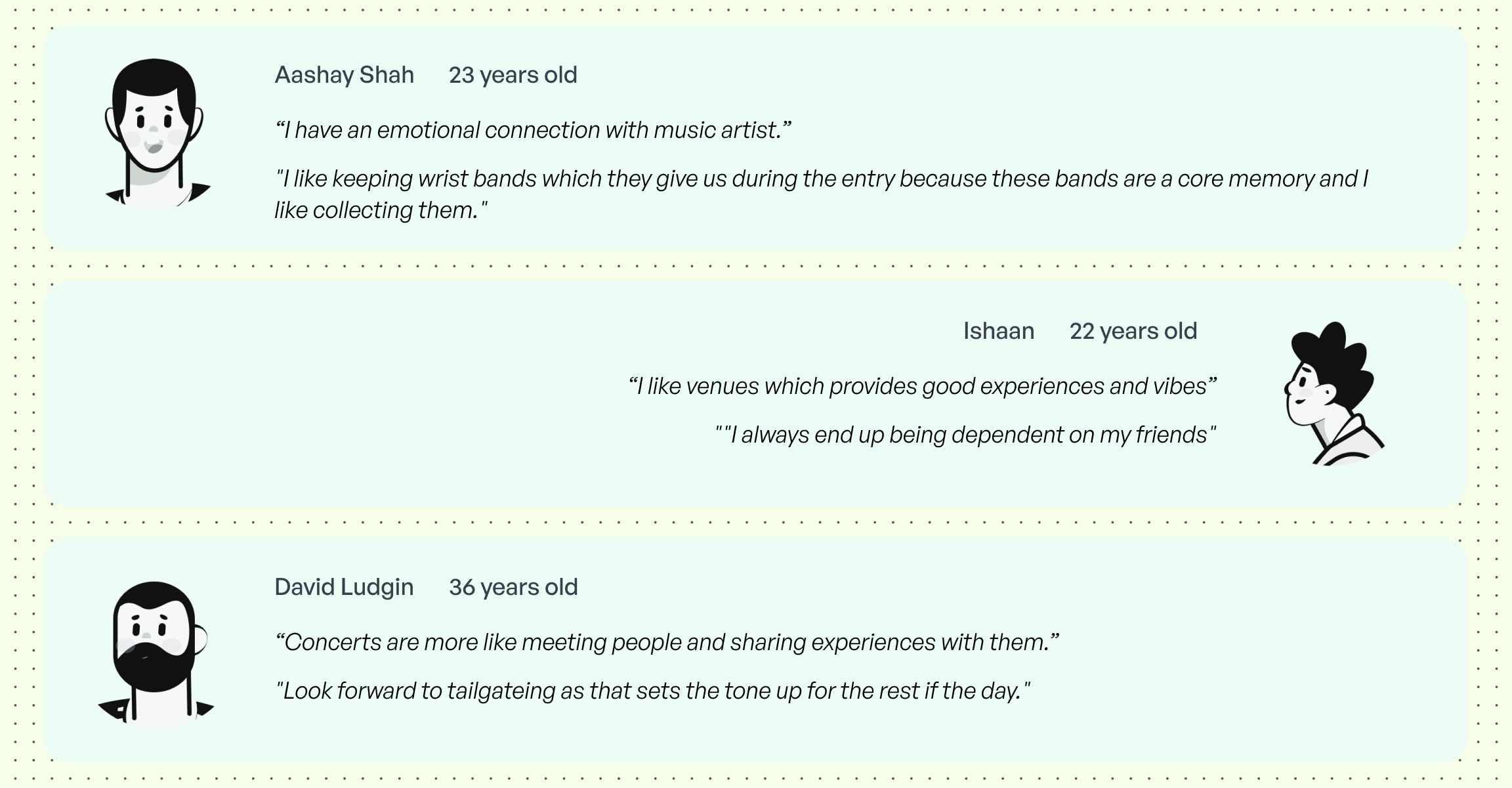
We interviewed general attendees to understand their past concert experiences. Participants were asked to reflect on both their best and worst concert experiences, helping us identify key moments that shape overall satisfaction.
To support richer storytelling and recall, we incorporated participatory methods:
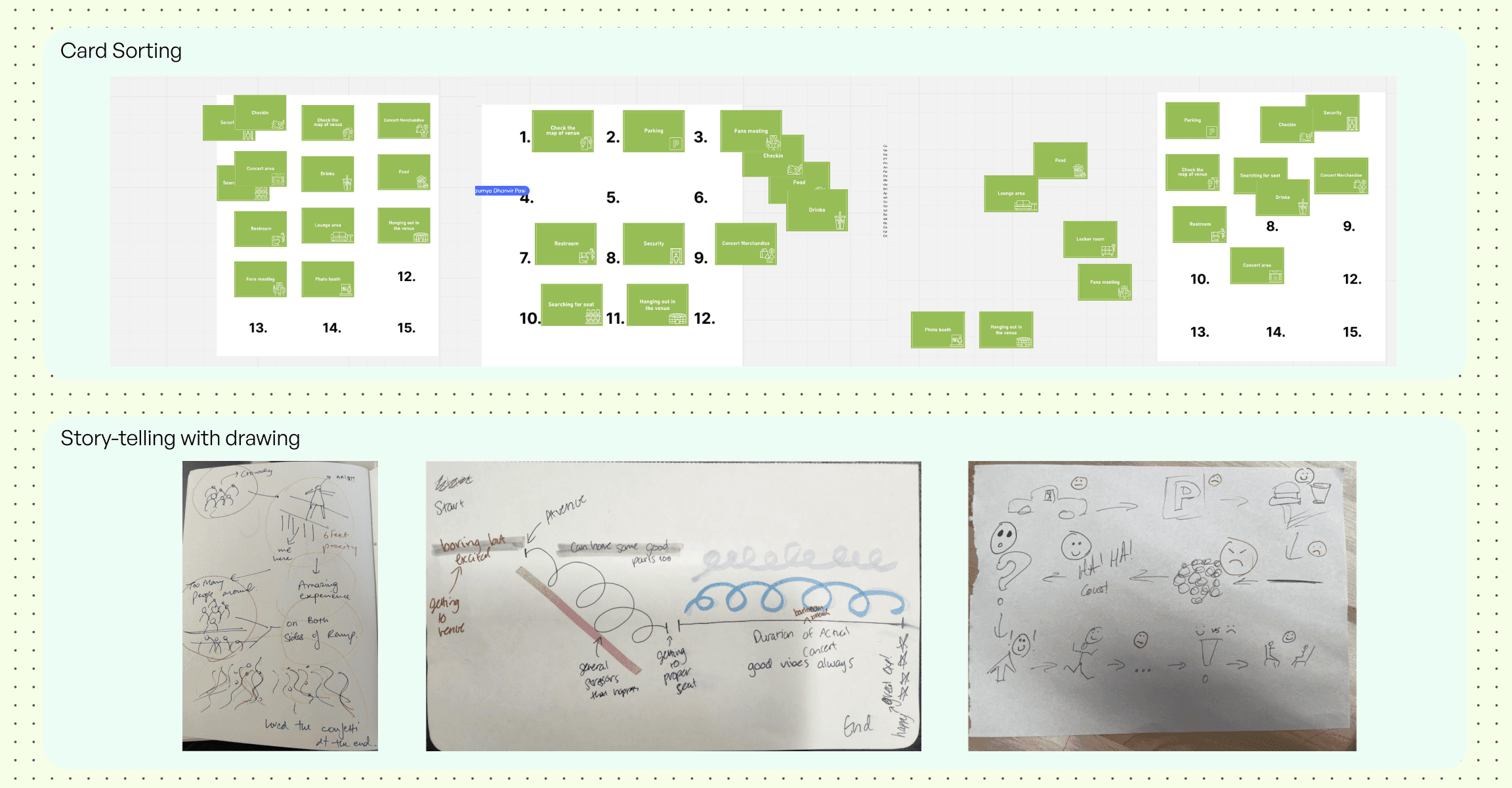
Card Sorting to help participants prioritize different aspects of their experience
Storytelling with Drawing to encourage them to visualize and narrate their journey
These methods enabled participants to express their experiences more vividly and uncover emotional and experiential details that might not emerge through verbal interviews alone.
Stakeholder Interviews (Live Nation Staff)
We also interviewed Live Nation staff to understand operational constraints, event management considerations, and existing strategies related to audience flow and waiting experiences.
Key Findings
Through observations and interviews, we identified three key insights:
Anticipation as Part of the Experience
Concertgoers place a high value on anticipation, often arriving early to participate in activities such as tailgating. These pre-event moments are not just preparation—they are an essential part of the overall concert experience, shaping excitement and emotional engagement.
Memory-Making Beyond the Performance
Attendees actively seek to create lasting memories that extend beyond the concert itself. This is often expressed through collecting tangible artifacts such as merchandise, tickets, and wristbands, which serve as emotional anchors to the experience.
Active Engagement During WaitingWaiting is rarely passive. Concertgoers naturally seek ways to enrich this time by engaging in activities such as socializing, exploring the venue, or purchasing merchandise. This reveals an opportunity to design waiting as an interactive and meaningful experience rather than a gap in the journey.
Ideation
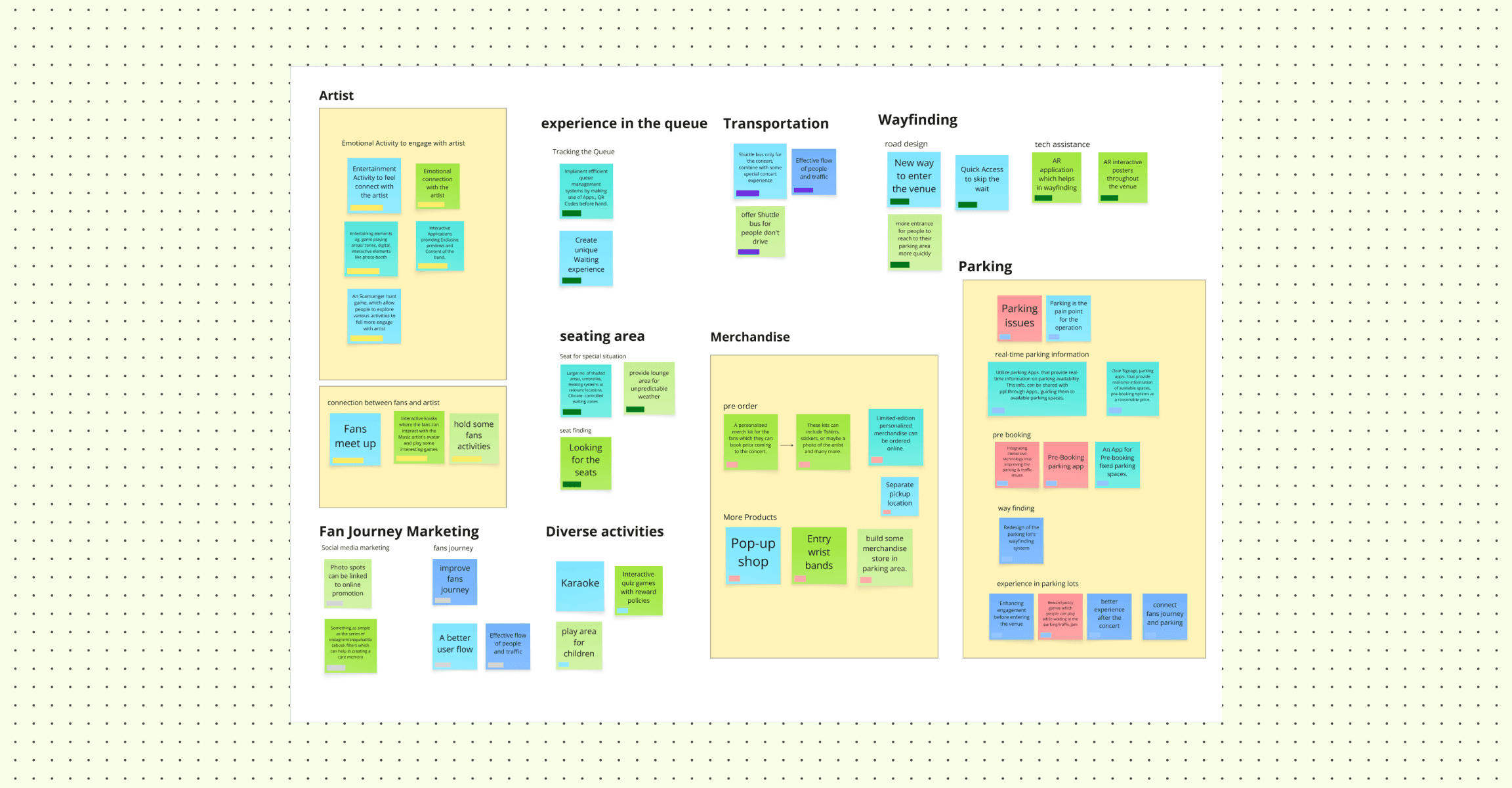
Affinity Mapping
Based on our research findings, our team conducted an affinity mapping session to synthesize insights and identify key themes. We clustered observations, interview data, and user quotes to uncover patterns in audience behaviors, emotions, and pain points during the waiting experience.
This process allowed us to translate raw research into structured insights, highlighting recurring challenges such as navigation confusion, fragmented waiting moments, and missed opportunities for engagement.
Journey Timeline
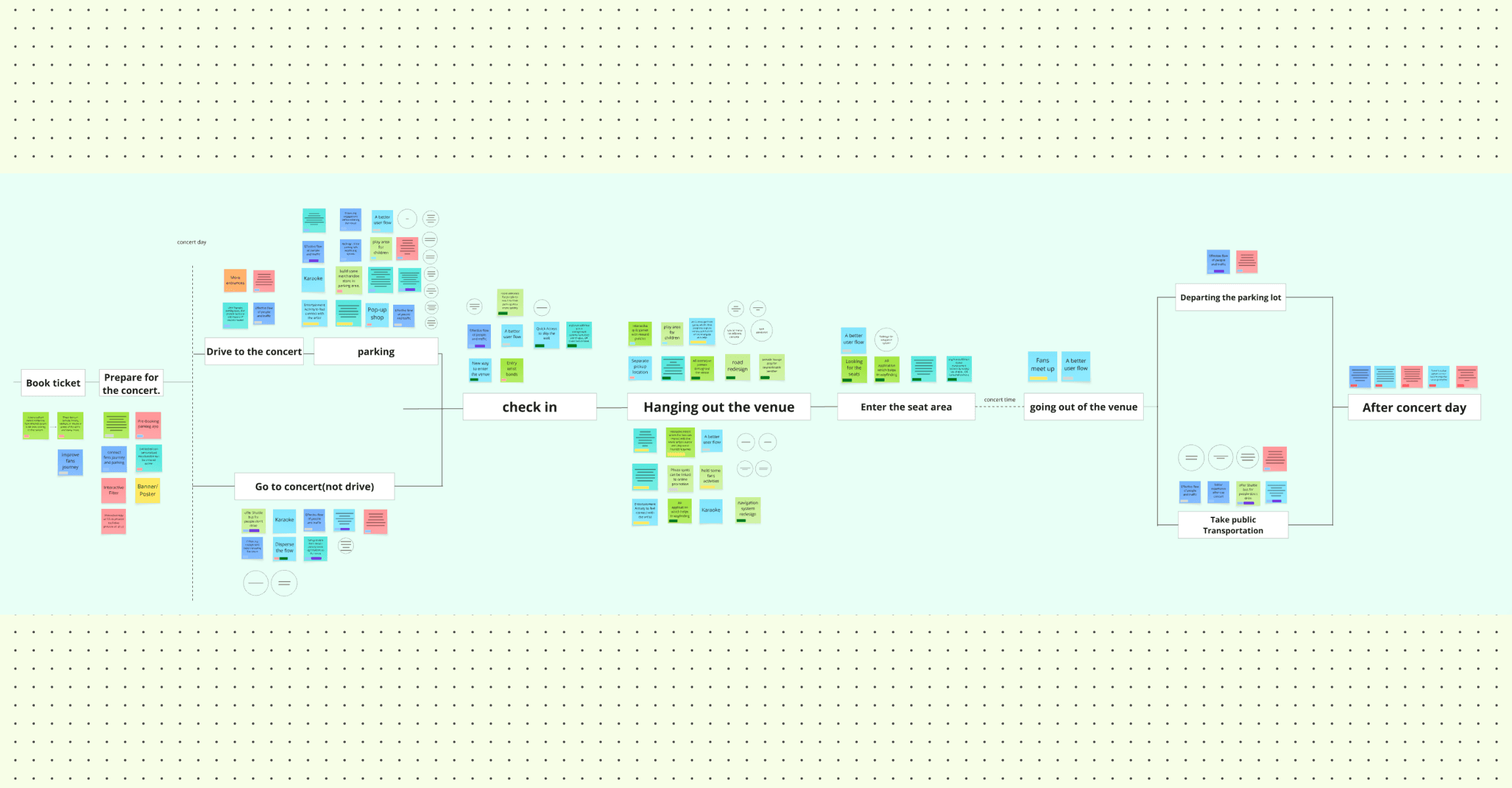
To better understand the waiting experience across the entire concert journey, we mapped out a timeline of key touchpoints, from arrival to post-concert departure
We then overlaid the insights generated from affinity mapping onto this timeline, aligning specific pain points and opportunities with each stage of the experience. This helped us break down the waiting experience into distinct phases and frame targeted design questions for each moment.
Design Opportunities
How might we create a seamless waiting experience for diverse audience groups to reduce impatience before the concert begins?
How might we help fans feel more connected to the artist, making their concert experience more memorable?
How might we improve transportation and arrival experiences for non-driving attendees to reduce congestion and enhance accessibility?
Solution
Solution 1 · Shuttle Bus Service
The Xfinity Center is located at a distance from the nearest train station (Mansfield), creating accessibility challenges for attendees without cars. This solution introduces a shuttle bus system connecting the station and the venue to streamline arrival and reduce friction.
Objective:
To provide a seamless and accessible transportation experience for all attendees—including non-drivers, individuals with disabilities, and those seeking to avoid traffic congestion.
Beyond logistics, the shuttle experience is designed as an extension of the concert journey—offering a stress-free, social, and anticipatory pre-concert experience.
Solution 2 · Interactive Screens
To transform passive waiting into an engaging experience, we introduced interactive screens throughout the venue. These screens provide entertainment, social interaction, and convenient services—turning waiting time into an active and memorable part of the concert journey.
Objective:
To reduce boredom during waiting periods by creating moments of engagement, connection, and anticipation before the concert begins.
Solution 3 · Pre-Parking System
To reduce uncertainty and stress during arrival, we introduced a pre-parking system that allows concertgoers to reserve parking spaces in advance. This ensures a smoother entry experience and minimizes time spent searching for parking upon arrival.
Objective:
To eliminate parking-related anxiety and streamline the arrival process, enabling attendees to transition more smoothly into the pre-concert experience.
Key Features:
Advance Parking Reservation
Users can secure parking spots prior to arrival, ensuring guaranteed access.Real-Time Availability
Displays current parking capacity and availability to support informed decisions.Navigation & Spot Finding
Integrated mapping guides users directly to their designated parking area.Traffic Optimization
Distributes parking demand more evenly to reduce congestion at peak arrival times.
Explore more
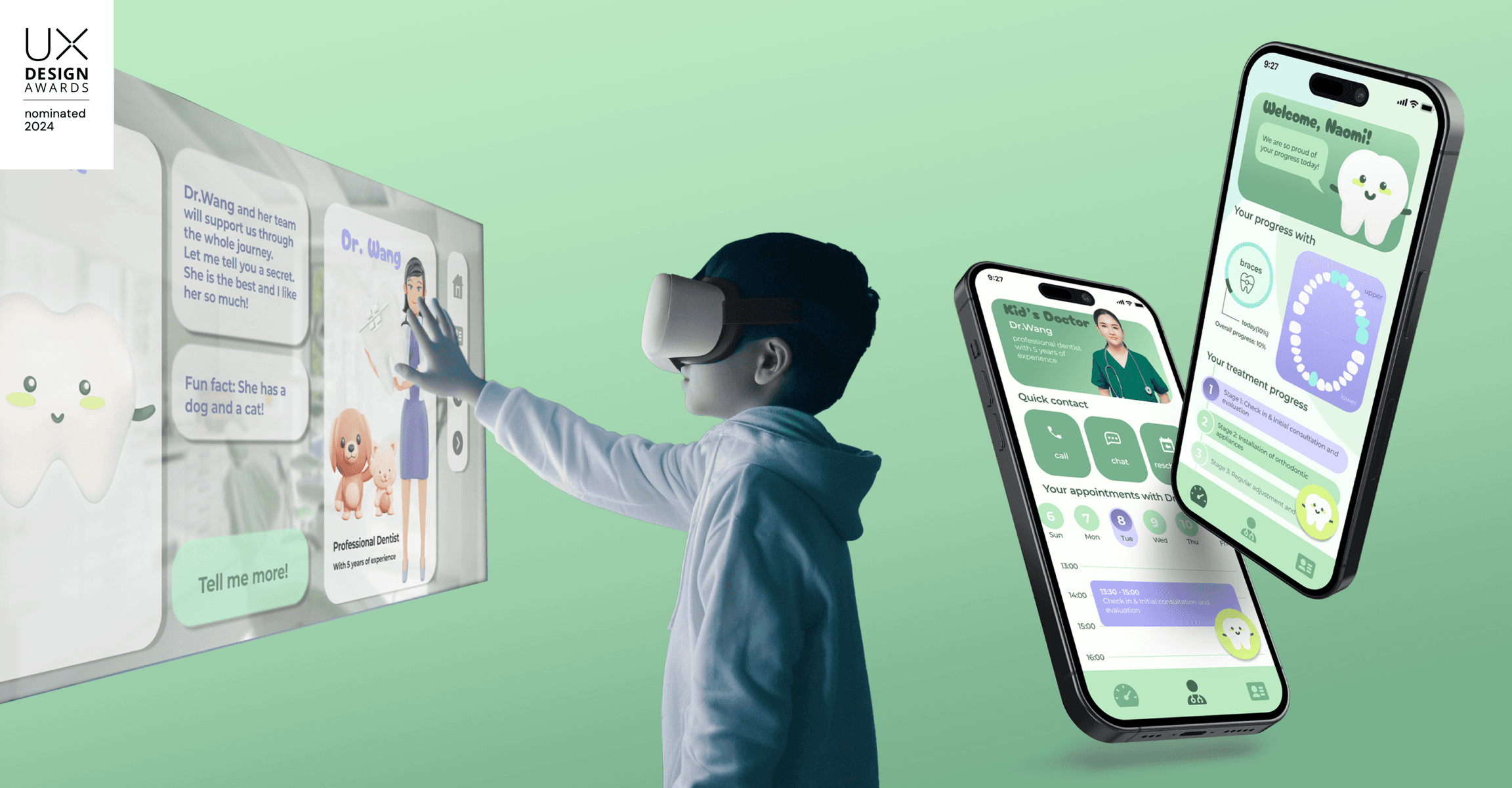
Dr. Tate is a conceptual UX and XR healthcare design project that addresses children’s dental anxiety by combining research-driven insights with immersive, child-friendly experiences across the dental journey.
Read More

This is a web design and rebranding project, collaborated with Virtual Sapiens, a B2B AI-powered communication coaching platform. By developing a cohesive visual identity and restructuring the landing experience, the new design strengthens credibility, improves narrative clarity, and better aligns the product with the expectations of B2B professionals.
Read More